

Introduction
Planning an international trip is exciting. Flights, hotels, visas, shopping lists, itineraries — everything gets attention. But one area that travelers often treat casually is foreign currency planning. Ironically, this is the one decision that can quietly affect your travel budget the most.
When people think about buying US dollars for travel, they usually ask a simple question: What is today’s USD rate? But smart currency planning goes far beyond checking one number. Timing, strategy, documentation, and behaviour all play a role in how much value you actually get.
The difference between rushed exchange and planned exchange is not just a few rupees — over a full trip, it can influence accommodation choices, daily spending comfort, and emergency readiness. This guide explains when to buy dollars, how to plan your purchase, how rates behave, and how travelers can approach USD exchange calmly instead of emotionally.
Foreign currency should never be a last-minute task. It should be part of your travel strategy.
Why USD Planning Matters More Than Most Travelers Realize
The US dollar is not just America’s currency — it functions as a global anchor currency. Many countries informally price services in USD. Even when you travel outside the United States, dollars often act as a backup currency in emergencies.
Because of this global demand, USD rates move continuously based on international market forces. Oil prices, US economic policies, global interest rates, and investor behavior all influence the rupee-dollar relationship. Travelers don’t need to understand macroeconomics in detail, but they should understand one simple truth:
USD rates are never static.
Waiting until the night before your flight means you surrender control to whatever rate exists at that moment. Planning ahead allows you to choose your timing instead of being forced into it.
Currency planning is not about predicting the market perfectly. It is about reducing avoidable losses.
The Biggest Mistake Travelers Make With USD Exchange
The most common mistake is emotional exchange. People exchange currency only when they feel pressure.
This pressure usually comes from three situations:
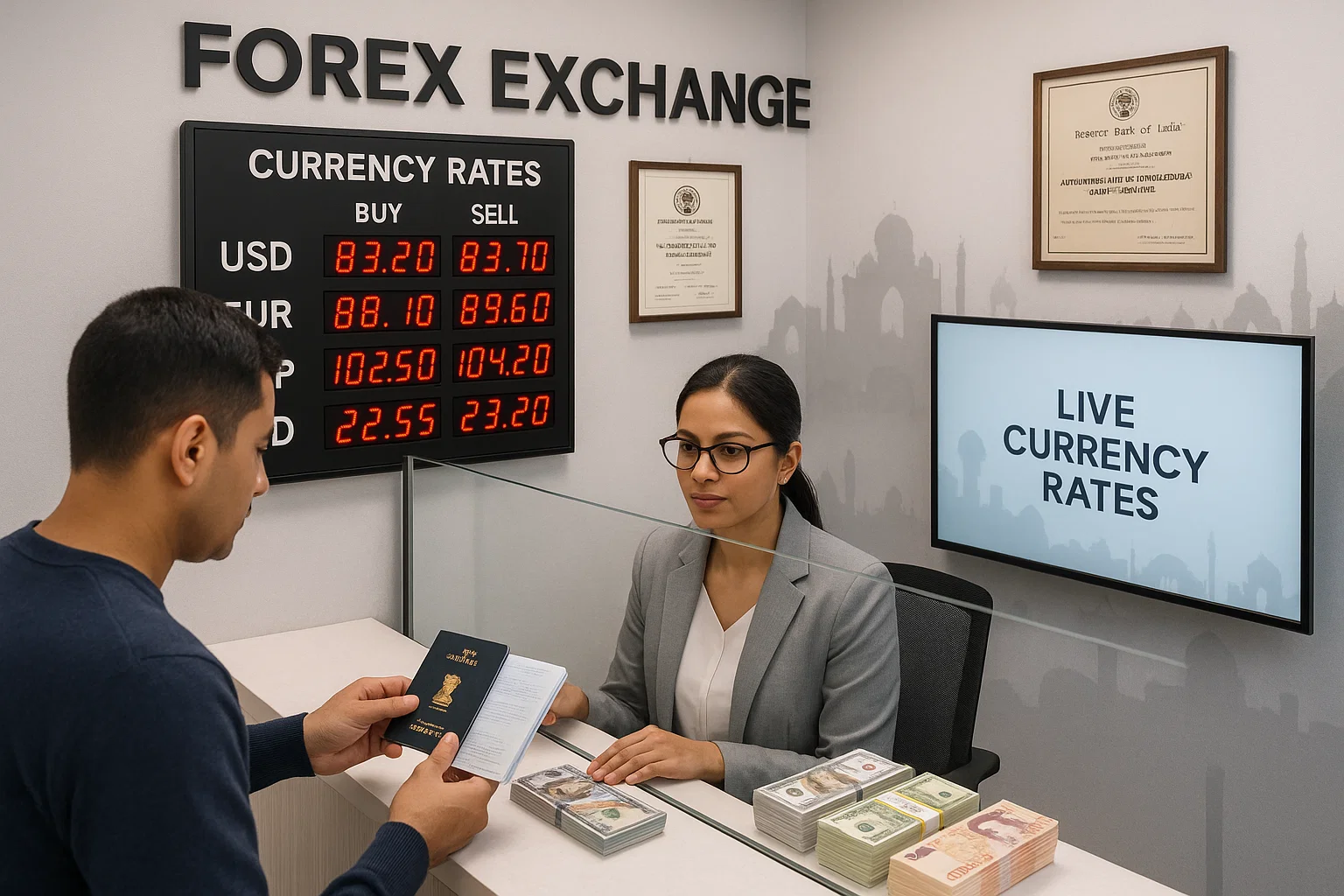
an approaching departure date, airport urgency, or sudden travel confirmation. Under pressure, travelers stop comparing rates. They accept the first available option. Airport counters thrive on this behavior because urgency removes negotiation power.
Another mistake is obsessively waiting for the “perfect rate.” Some travelers monitor USD movement for weeks hoping for a dramatic drop. Currency rarely behaves in a way that rewards extreme patience. Rates fluctuate within ranges, not miracles.
Smart planning sits between panic and obsession. It means observing trends, choosing a reasonable entry point, and securing your currency early enough to remove stress.
When Is the Best Time to Buy Dollars Before Travel?
There is no magical day that guarantees the cheapest USD. However, there is a practical window that experienced travelers follow.
Most seasoned travelers begin tracking rates 2–3 weeks before departure. This period allows them to observe patterns without time pressure. If the rate dips slightly, they act. If the market remains stable, they still exchange gradually rather than waiting for a dramatic swing.
Currency behaves like weather — predictable in patterns, unpredictable in exact moments. Planning early converts uncertainty into flexibility.
Exchanging dollars in stages is another smart approach. Instead of converting your entire travel budget at once, you can split purchases across a few days. This reduces the impact of sudden spikes. Even professional currency buyers use staggered strategies to manage volatility.
The goal is not perfection. The goal is protection.
Understanding How USD Rates Actually Move
Many travelers assume exchange rates change randomly. In reality, USD movement follows global rhythms.
Rates often fluctuate more during overlapping international market hours when trading volume is high. Major economic announcements, interest rate decisions, or global events can trigger sharp movements. These shifts look dramatic on charts, but for travelers they translate into small daily differences that add up over larger sums.
The key lesson is this: rates move constantly, but panic-driven decisions cause more damage than the movement itself.
Watching rates casually rather than obsessively builds confidence. When travelers understand that fluctuation is normal, they stop reacting emotionally. They start acting strategically.
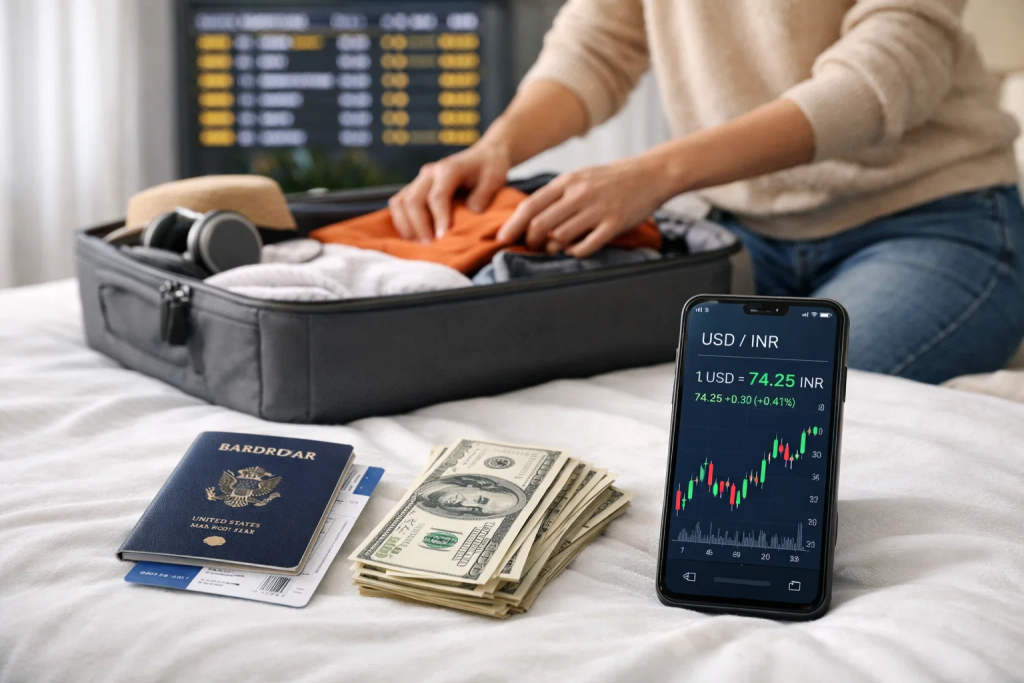
Platforms that show live USD values help travelers observe trends instead of relying on outdated boards or verbal quotes. This transparency changes behavior. It turns currency exchange from guesswork into informed planning.
Online vs Offline USD Exchange: Planning Advantage
Traditional walk-in counters still serve a purpose, especially for urgent needs. But online exchange platforms have changed how travelers prepare.
Online booking allows travelers to compare rates calmly from home. There is no queue pressure, no rushed decision at a counter, and no awkward negotiation. Documentation is uploaded digitally, and confirmation arrives before pickup or delivery.
This structured approach gives travelers psychological control. They know what rate they are locked in, what documents are required, and when they will receive their currency.
Companies like Princess Forex, through their digital platform Videshi Mudra, represent this shift toward organized exchange. The experience becomes predictable rather than stressful. Planning replaces improvisation.
When currency exchange feels predictable, travel feels lighter.
How Much USD Should You Buy?
This question has no universal number. It depends on travel style.
Some travelers rely heavily on cards and digital payments, carrying minimal cash. Others prefer physical currency for flexibility. The ideal strategy is a hybrid approach.
Cash should cover essentials: airport transport, food, small purchases, tips, emergency taxis, and locations where cards may fail. Cards and forex wallets handle larger expenses.
Buying too little creates anxiety. Buying too much locks unnecessary money into cash. Balanced planning ensures liquidity without waste.
Experienced travelers estimate daily cash needs and multiply by a safety margin. The margin is not fear-driven; it is preparation-driven.
USD is not just spending money. It is a financial comfort abroad.
Psychological Comfort Is Part of Currency Planning
Travel anxiety often hides inside money worries. People fear running out of cash, being unable to exchange locally, or facing unexpected expenses.
Having planned USD removes this background tension. It creates emotional space to enjoy the trip. Travelers who exchange early report feeling calmer during departure. They are not searching for counters at midnight or arguing about rates at airport kiosks.
Good currency planning is not only financial strategy. It is emotional insurance.
The best trips begin with confidence, not currency stress.
Safety and Legality: Why Authorized Exchange Matters
Some travelers are tempted by informal dealers promising slightly better rates. This shortcut introduces risk that outweighs savings.
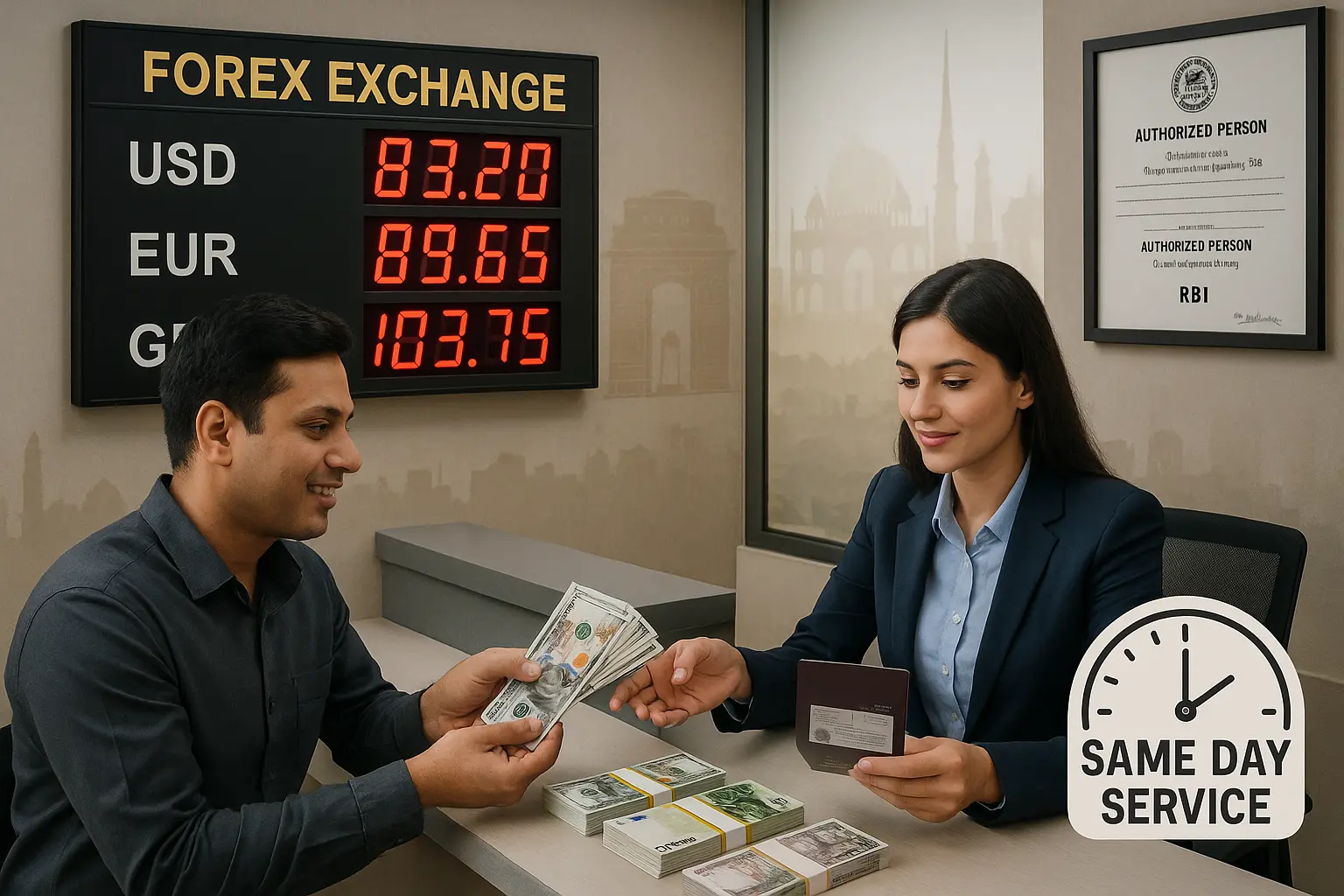
Unregulated exchange can expose travelers to counterfeit notes, legal trouble, or undocumented transactions. Authorized providers operate within compliance frameworks designed to protect customers.
Documentation is not bureaucracy for its own sake. It creates traceability and legal protection. Travelers who exchange through authorized channels know their currency is genuine and their transaction is recorded.
Peace of mind has value. It should be part of every exchange decision.
Planning Timeline: A Simple USD Strategy
A practical USD planning timeline looks like this:
Three weeks before travel, begin watching rates.
Two weeks before travel, exchange a portion.
One week before travel, finalize remaining needs.
Two days before travel, stop tracking and relax.
This structure removes last-minute chaos. It replaces urgency with preparation.
Travel should feel exciting, not transactional.
Conclusion
Buying dollars for travel is not about chasing the lowest number on a screen. It is about creating a strategy that protects your budget, reduces stress, and gives you control.
Smart travelers understand that currency planning is part of trip planning. They observe rates early, exchange in stages, avoid emotional decisions, and rely on authorized platforms. They treat USD not as a rushed purchase, but as a planned tool.
When dollars are secured ahead of time, travel begins with clarity. There is no airport panic, no late-night exchange hunt, no regret about poor timing. There is only the excitement of departure.
Currency planning does not need to be complicated. It needs to be intentional.
And intentional travelers always travel better.
FAQs
1. When is the best time to buy US dollars before traveling?
The ideal time is usually 2–3 weeks before departure. This allows you to monitor rate trends and exchange gradually instead of rushing at the last minute.
2. Should I exchange all my USD at once or in parts?
Exchanging in parts is often smarter. Staggered purchases reduce the risk of sudden rate spikes and protect your travel budget.
3. Do USD exchange rates change daily in India?
Yes. USD to INR rates fluctuate continuously due to global market activity, economic news, and currency demand.
4. Is airport currency exchange a bad option?
Airport counters are legal and convenient but usually offer weaker rates because travelers are under time pressure and have fewer alternatives.
5. How much USD should I carry for international travel?
It depends on your destination and spending habits. Most travelers carry enough cash for daily essentials and rely on cards for larger expenses.
6. Can I buy dollars online in India legally?
Yes. You can purchase USD online through authorized forex providers that follow RBI guidelines and proper documentation procedures.
7. What documents are required to buy USD in India?
Typically a passport, PAN card, and travel proof such as flight tickets or visa documents are required for compliance.
8. Is it safe to buy dollars from informal dealers?
No. Informal exchange carries risks like counterfeit notes and undocumented transactions. Always use authorized providers.
9. What happens if USD rates drop after I exchange?
Minor fluctuations are normal. The goal of planning is not perfect timing, but avoiding emergency exchange at poor rates.
10. Can I sell leftover USD after my trip?
Yes. Authorized forex providers allow you to convert unused foreign currency back into INR legally and safely.