

Introduction
Most travellers focus heavily on buying foreign currency before a trip. Very few think seriously about what happens after they return. Leftover dollars, euros, pounds, or dirhams often sit inside drawers for months. Some people forget about them. Others wait indefinitely, hoping the rate will improve. And some rush to exchange immediately without checking whether it’s the right time.
Selling foreign currency in India is not complicated, but timing and method make a difference. Just like buying forex, selling requires awareness of rate movement, compliance rules, and safe channels. A small difference in exchange rate can impact your final rupee value more than you expect — especially when larger amounts are involved.
This guide explains how selling foreign currency works in India, when it makes sense to convert, which method is safest, and how to avoid common mistakes that cost money or create unnecessary risk.
Currency conversion should not feel like an afterthought. It should feel like closure — clean, legal, and financially sensible.
Why People Hold On to Foreign Currency After Travel
When travelers return home, leftover currency often feels harmless. Some keep it for future trips. Some treat it like a souvenir. Others assume the exchange rate might improve later. While none of these reasons are wrong, they deserve a second thought.
Foreign currency is not an investment product for most individuals. Exchange rates fluctuate based on global economic movements, not personal travel timing. Holding small amounts indefinitely rarely creates significant profit. Instead, it locks money into inactive form.
There is also a practical consideration. Currency notes can change design over time. Some countries update security features and phase out older versions. Although older notes remain valid for a long period, exchanging sooner rather than later avoids complications.
Selling foreign currency is not about urgency. It is about practicality.
How Selling Foreign Currency Works in India
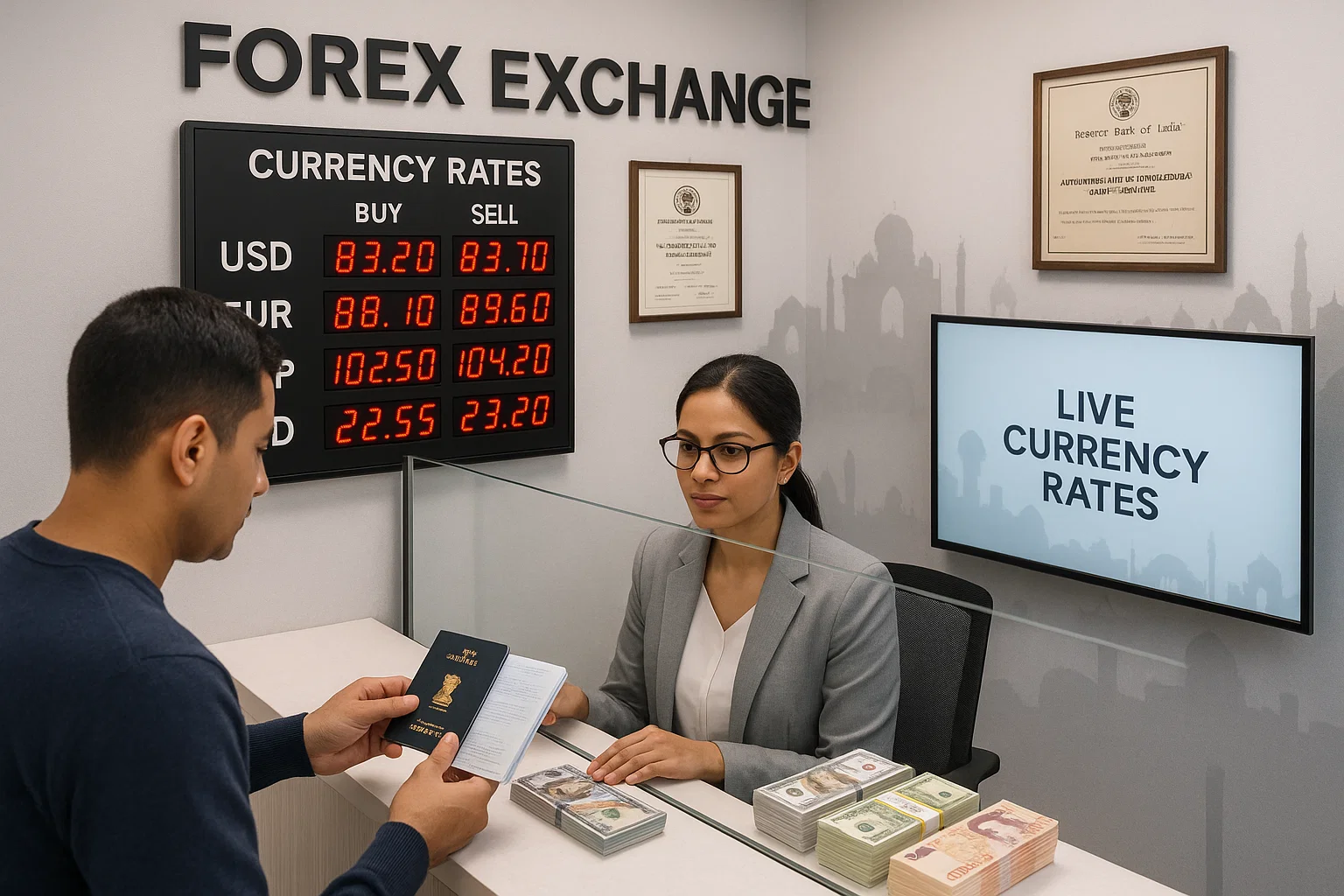
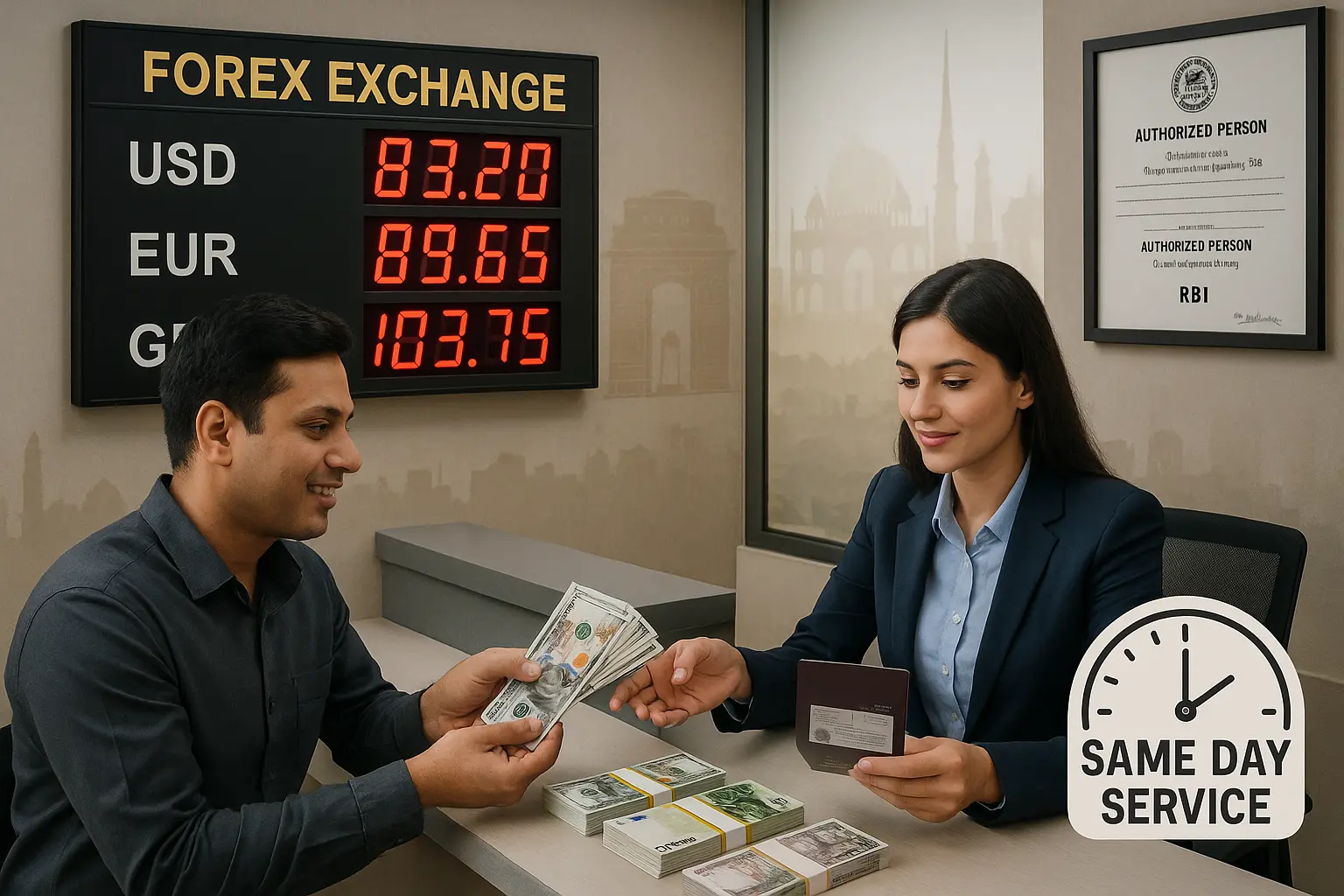
The process of selling foreign currency in India is regulated under RBI guidelines. Just like buying forex, selling must be done through authorized money changers or banks. The transaction involves verification, rate confirmation, and proper documentation.
When you sell foreign currency, the provider buys it from you at the prevailing buying rate. This rate differs from the selling rate you saw when purchasing currency before travel. The difference between buying and selling is called the spread. It exists because providers manage currency risk and operational costs.
The rate offered depends on current market conditions. If the rupee strengthens against the dollar, your return value may be lower than what you initially paid. If the rupee weakens, you may receive slightly more. However, everyday travelers should avoid treating this as speculative trading. Forex movement is influenced by global factors beyond individual control.
Authorized providers ensure your currency is verified for authenticity and that the transaction is documented properly. This protects you from counterfeit handling and future disputes.
Structured providers like Princess Forex operate within these compliance frameworks, ensuring that selling leftover foreign currency remains legal and transparent.
Best Time to Sell Foreign Currency
Timing matters, but not in the dramatic way many people imagine. Currency rates fluctuate daily, sometimes hourly. Waiting months for a “perfect” rate is rarely practical unless you are holding a substantial amount.
The best time to sell foreign currency is usually when you have no immediate plan to travel again and when the rate is reasonably favorable compared to your purchase level. Monitoring live rates for a short period after returning can help you decide calmly.
However, emotional waiting often causes more regret than small rate differences. If the rupee strengthens significantly, holding on can reduce your rupee return. If you need funds for other expenses, converting earlier makes financial sense.
A balanced mindset works best. Watch trends briefly. Decide logically. Avoid both panic and endless delay.
Where Should You Sell Foreign Currency?
Many travelers default to airports again when returning. While convenient, airport counters often operate with wider spreads. Just as buying at airports is usually expensive, selling there may also result in weaker rates.
City-based authorized money changers typically offer more competitive pricing. Online forex platforms have also simplified the process by allowing rate comparison before visiting.
Choosing an RBI-authorized provider ensures that your currency is accepted smoothly and that the transaction remains compliant. Informal buyers offering unusually attractive rates carry risk. Counterfeit accusations or undocumented transactions can create legal trouble.
Selling through trusted channels eliminates uncertainty.
Common Mistakes When Selling Forex
One of the most common mistakes is waiting too long and then rushing when cash is urgently needed. This emotional cycle often results in poor rate decisions.
Another frequent mistake is ignoring note conditions. Torn, damaged, or heavily marked currency may face rejection or lower value. Handling foreign currency carefully during travel prevents this problem later.
Some travelers attempt peer-to-peer exchange through acquaintances. While it may appear convenient, it bypasses documentation and authenticity checks. Structured exchange protects both parties.
Forex works best when handled calmly and legally, not casually.
Online vs Offline: Which Method Is Better for Selling Forex?
The way you sell foreign currency can influence both convenience and value. Traditionally, people walked into local money changers or banks and completed the exchange over the counter. That method still works and remains fully legal when done through authorized providers.
However, digital forex platforms have added a layer of transparency. Instead of physically visiting multiple counters to compare rates, customers can now check buying rates online before stepping out. This reduces guesswork and eliminates the pressure of accepting the first offer presented in person.
Offline exchange offers immediacy. Online booking offers clarity. The difference is not about legality — both must operate under RBI authorization — but about control. When you see rates in advance, you approach the transaction with more confidence.
Structured providers, including platforms powered by established companies like Princess Forex, blend both systems. Customers can view rates digitally and complete transactions either through scheduled visits or organized exchange processes. This hybrid model helps users avoid rushed or uninformed decisions.
The best method is the one that combines transparency with compliance.
Understanding the Buying Rate When Selling Currency
Many travelers become confused when the rate offered while selling currency appears lower than what they remember paying earlier. This difference is normal. It is part of how forex markets function.
When you originally purchased currency, you paid the selling rate. When you sell it back, you receive the buying rate. The gap between these two rates is called the spread. It compensates the provider for currency volatility risk, logistics, and operational cost.
The important point is not the spread itself — it is whether the rate offered is aligned with current market levels. A fair buying rate reflects prevailing market movement. An unfair one often hides behind urgency or lack of transparency.
Checking live market trends before selling ensures you recognize whether the rate offered is reasonable. A small fluctuation is normal. A large unexplained difference deserves reconsideration.
Knowledge prevents regret.
Safety Tips When Selling Foreign Currency
Selling foreign currency involves handling physical cash. Safety matters at both personal and transactional levels.
Choose a well-known authorized provider rather than informal street dealers offering unrealistic rates. Unverified buyers may reject notes after inspection, claim authenticity issues, or delay payment. Authorized providers verify currency through structured processes and issue receipts for documentation.
Carry foreign currency discreetly. Avoid displaying large amounts in public. When possible, schedule exchange during business hours in established commercial locations.
Check your currency notes before selling. Torn, excessively worn, or heavily written-on notes may be refused. Handling foreign currency carefully during travel protects its resale value.
Always collect and keep the transaction receipt. It acts as legal proof of sale and protects you in case of future questions.
Safety in forex is about prevention, not correction.
Documentation and Compliance When Selling Forex
Selling foreign currency also requires identity verification. This ensures compliance under RBI and FEMA regulations. The documentation process is typically straightforward, especially for amounts within regular travel limits.
Many users initially view documentation as unnecessary during selling. However, compliance protects you. It ensures your transaction is recorded and legally recognized. If questions arise later, your exchange history remains traceable.
Selling through authorized channels guarantees transparency. Attempting undocumented exchange may seem faster but removes all legal safeguards.
Compliance is not a barrier. It is your financial insurance.
Psychological Approach: Avoid Emotional Selling
Just as emotional buying causes poor decisions, emotional selling does the same. Travelers who return and immediately convert currency without checking rates may miss better opportunities. On the other hand, waiting indefinitely out of hope can also reduce value if rates move unfavorably.
The smart approach is balanced observation. Watch rates briefly after returning. Decide logically based on need. If you plan another trip soon, holding small amounts may make sense. If no travel is planned, converting back to INR keeps your funds liquid and usable.
Forex should not feel like gambling. It should feel like structured money management.
When Holding Foreign Currency Makes Sense
There are situations where keeping foreign currency temporarily is reasonable. Frequent travelers who visit the same country multiple times a year may prefer retaining a portion for future use. However, this strategy works best when amounts are modest and travel frequency is predictable.
Holding currency purely for speculative gain is risky for non-professional individuals. Exchange rates respond to complex global variables, and short-term gains are uncertain.
Currency is primarily a travel tool, not an investment vehicle.
Final Thoughts: Selling Forex the Smart Way
Selling foreign currency in India is a simple process when approached correctly. Understanding buying rates, choosing authorized providers, monitoring timing calmly, and prioritizing safety transforms what could feel like a minor afterthought into a smart financial decision.
The key principles remain consistent: avoid urgency, avoid informal channels, and avoid emotional speculation. Use regulated platforms. Compare rates. Protect your documentation.
Whether through physical counters or structured digital platforms supported by licensed providers, the system is designed to help users convert currency safely.
Currency exchange is not just about numbers. It is about clarity, compliance, and confidence.
When you treat selling foreign currency as part of your travel cycle rather than an afterthought, you protect both your money and your peace of mind.
FAQs
1. Can I legally sell foreign currency in India?
Yes. You can legally sell leftover foreign currency through RBI-authorized money changers or banks.
2. Do I need documents to sell foreign currency?
Yes. Basic KYC documents such as a passport and PAN card are usually required for compliance.
3. Is it better to sell foreign currency immediately after travel?
It depends on market rates and your future travel plans. Monitoring rates briefly after return helps you decide calmly.
4. Why is the selling rate lower than the buying rate?
Because forex providers operate on a spread. The buying rate reflects the price at which they purchase currency from you.
5. Can I sell foreign coins in India?
Most authorized providers accept foreign currency notes but may not accept coins, depending on policy.
6. Is airport currency buy-back a good option?
Airport exchange is convenient but often offers weaker rates compared to city-based authorized providers.
7. What happens if my foreign notes are damaged?
Heavily torn, written-on, or damaged notes may be rejected or valued lower. Keeping currency in good condition preserves resale value.
8. Can I hold foreign currency for future travel?
Yes, but holding large amounts long-term is not recommended unless you have frequent travel plans.
9. Is peer-to-peer currency exchange safe?
It is risky and undocumented. Selling through authorized channels ensures legality and authenticity.
10. How do I get the best rate when selling foreign currency?
Check live market rates, compare authorized providers, avoid urgency, and sell during stable market conditions.