

Introduction
Planning an international trip involves more than just booking flights and packing your bags. One of the most important aspects of travel preparation is managing your foreign currency properly before you leave India.
Many travelers focus on visas, accommodation, and itineraries but often overlook the importance of forex planning. This can lead to last-minute stress, higher exchange costs, or even inconvenience during the initial days of travel.
Having the right amount of foreign currency — in the right form — ensures that you can handle expenses like airport transfers, meals, local transport, and small purchases immediately after landing.
A well-prepared traveler doesn’t just carry money but plans it strategically. This includes deciding how much currency to carry, when to exchange it, what payment methods to use, and how to stay compliant with regulations.
In this guide, we’ll walk you through a complete foreign currency travel checklist, helping you prepare everything you need before your trip so you can travel with confidence and peace of mind.
Why Forex Planning Is Important Before You Travel
Before diving into the checklist, it’s important to understand why planning your foreign currency in advance matters so much.
Currency exchange rates fluctuate regularly due to global market conditions. If you wait until the last moment, especially at airports, you may end up paying higher rates due to urgency and limited options.
Planning your forex early allows you to monitor exchange rates and choose a better time to convert your money. This can make a noticeable difference in your overall travel budget.
Another important reason is convenience. When you land in a new country, you may immediately need cash for transport, food, or basic services. If you don’t have local currency ready, it can create unnecessary confusion.
Additionally, understanding how to manage your currency — whether through cash, forex cards, or digital payments — helps you avoid over-dependence on a single method.
Platforms like Princess Forex and other authorized providers make it easier for travelers to plan their currency in advance with transparent rates and multiple options.
Step 1: Decide How Much Foreign Currency You Need
One of the first steps in your forex checklist is estimating how much foreign currency you should carry.
This depends on several factors, including your destination, duration of travel, and personal spending habits. A traveler visiting a high-cost country may require a higher daily budget compared to someone traveling to a more affordable destination.
Instead of guessing, it’s helpful to break down your expected expenses. Consider categories like meals, transport, entry tickets, shopping, and daily activities. This gives you a clearer idea of your daily spending.
Once you estimate your daily budget, multiply it by the number of days you will be traveling. It’s also wise to add a small buffer for unexpected expenses.
Having a planned estimate helps you avoid both over-carrying and under-carrying foreign currency.
Step 2: Choose the Right Mix of Payment Options
Carrying foreign currency is not just about the amount — it’s also about how you carry it.
Relying only on cash is not always safe or practical. At the same time, depending entirely on cards may not work in all locations, especially in local markets or small establishments.
A balanced approach works best. Many experienced travelers prefer to carry:
- Some amount of foreign currency in cash
- A forex travel card for larger transactions
- An international debit or credit card as backup
This combination provides flexibility, safety, and convenience during travel.
Forex travel cards are particularly useful because they can be used for payments, hotel bookings, and ATM withdrawals, often with better security compared to cash.
Step 3: Check Exchange Rates Before Booking Currency
Timing plays a crucial role in forex planning. Exchange rates are dynamic and can change frequently based on global economic conditions.
Before buying foreign currency, it’s a good idea to monitor exchange rates for a few days. This helps you understand trends and choose a favorable time to convert your money.
Even a small difference in exchange rate can impact your total cost, especially when exchanging larger amounts.
Avoid rushing into currency exchange at the last minute, as this often leads to higher costs and limited choices.
Planning ahead gives you more control over your budget and helps you make informed decisions.
Step 4: Choose an Authorized Forex Provider
Safety and compliance are important when dealing with foreign currency.
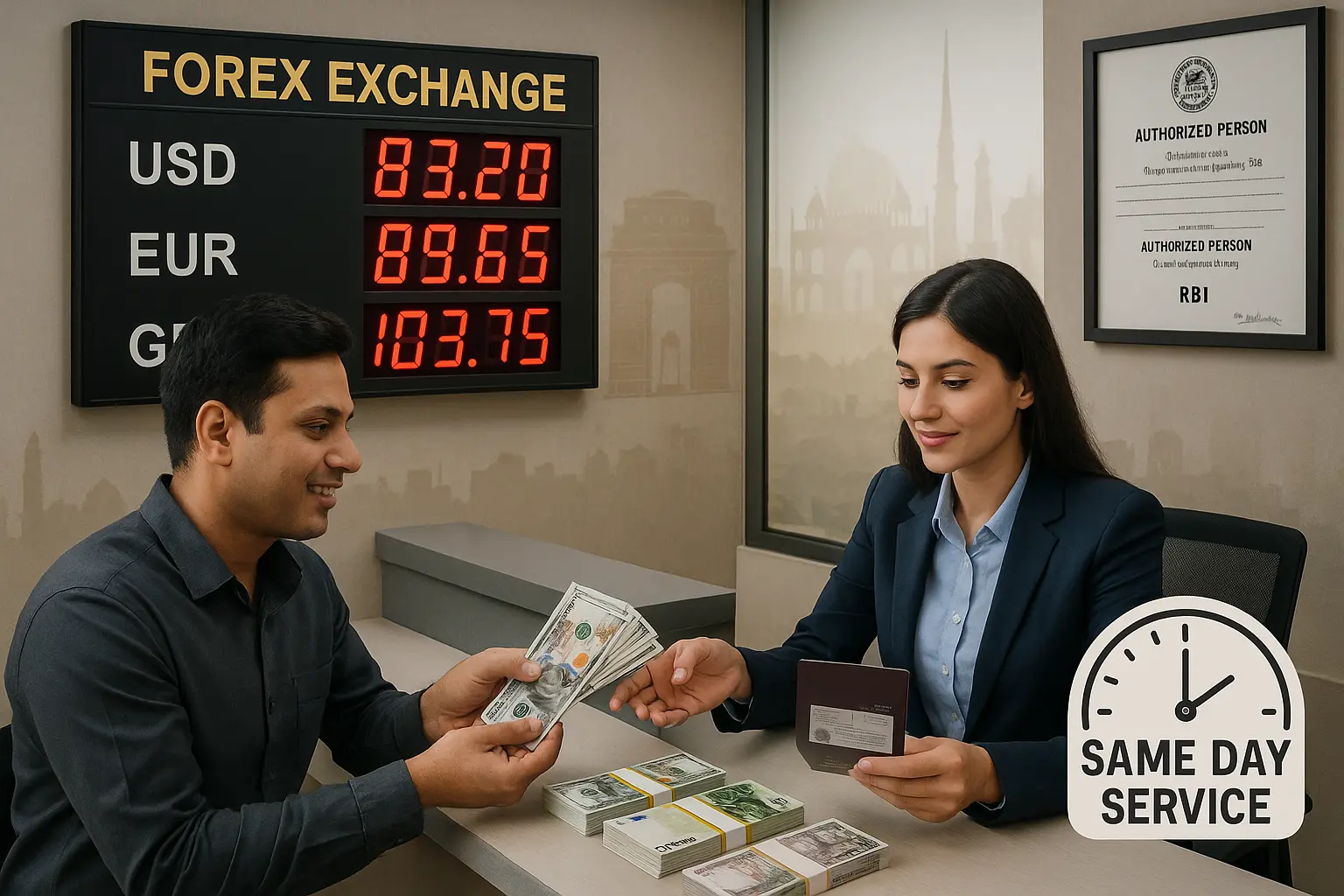
Always choose an RBI-authorized forex provider or licensed money changer to ensure that your transaction is secure and legally compliant.
Authorized providers follow proper verification processes, maintain transparency in pricing, and offer reliable services such as doorstep delivery or branch pickup.
Working with trusted providers reduces the risk of fraud and ensures that you receive genuine currency notes.
It also helps you stay aligned with regulatory requirements when carrying foreign currency abroad.
Step 5: Keep Required Documents Ready
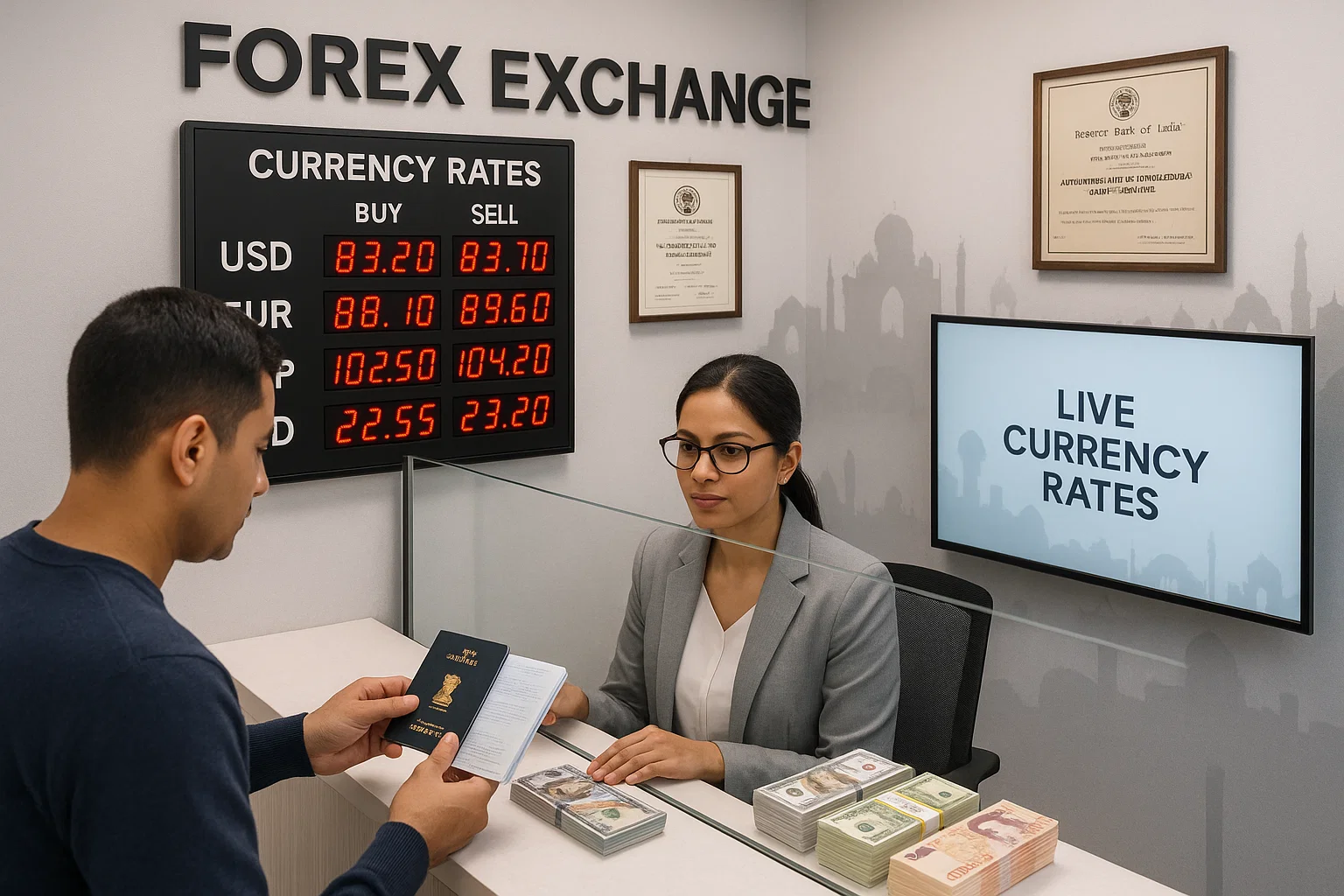
When purchasing foreign currency in India, you will need to provide certain documents as part of the verification process.
These typically include your passport, confirmed travel tickets, and sometimes your visa, depending on the destination.
Keeping these documents ready in advance helps speed up the forex process and avoids last-minute delays.
It also ensures that your transaction complies with regulatory guidelines set by the authorities.
Step 6: Inform Your Bank Before Using International Cards
If you plan to use your debit or credit card abroad, it’s important to inform your bank before traveling.
Banks often monitor unusual international transactions for security reasons. If your card suddenly shows activity in another country without prior notice, it may get temporarily blocked.
By informing your bank in advance, you ensure uninterrupted usage of your card during your trip. Many banks also allow you to activate international usage through mobile banking apps.
This small step can save you from unnecessary inconvenience when making payments abroad.
Step 7: Carry Small Denominations for Convenience
While carrying foreign currency, many travelers focus only on the total amount and forget about denominations.
Having smaller notes is extremely useful for everyday expenses such as taxis, tips, local transport, and small purchases. In many places, especially local markets, it may be difficult to break large currency notes.
Planning your currency mix with both small and medium denominations ensures smoother transactions and avoids unnecessary hassle during travel.
Step 8: Plan for Emergency Backup Funds
No matter how well you plan, unexpected situations can arise during travel. This is why having a backup financial plan is important.
You can keep a separate emergency fund through an international debit or credit card, or maintain a reserve in your forex travel card.
Some travelers also keep a small amount of additional currency separately from their main wallet for safety purposes.
Having a backup ensures that you are prepared for emergencies without depending on a single payment method.
Step 9: Understand Currency Rules and Limits
Before traveling, it’s important to be aware of the rules related to carrying foreign currency.
Indian residents are allowed to carry foreign currency within limits defined under the Liberalised Remittance Scheme (LRS) and travel guidelines.
Understanding these limits helps you avoid complications at airports and ensures compliance with regulations.
It’s also helpful to know the rules of your destination country regarding cash limits and declarations.
Being informed about these regulations makes your travel smoother and stress-free.
Step 10: Double-Check Your Forex Before Departure
Before leaving for the airport, take a few minutes to review your forex preparation.
Ensure that:
- You have the correct currency for your destination
- Your travel cards are activated
- Your cash is organized and safely stored
- Backup payment options are available
This final check helps you avoid last-minute panic and ensures that everything is in place before your journey begins.
Common Mistakes to Avoid in Forex Planning
Even with preparation, travelers sometimes make avoidable mistakes when handling foreign currency.
One common mistake is leaving forex exchange for the last moment, which often results in higher costs at airport counters.
Another mistake is carrying too much cash instead of balancing it with cards. This increases risk and reduces flexibility.
Some travelers also forget to track exchange rates or fail to compare providers, which can lead to less favorable deals.
Ignoring small details like denominations, backup funds, or card activation can also create inconvenience during travel.
Avoiding these mistakes ensures a smoother and more efficient travel experience.
Final Forex Travel Checklist (Quick Recap)
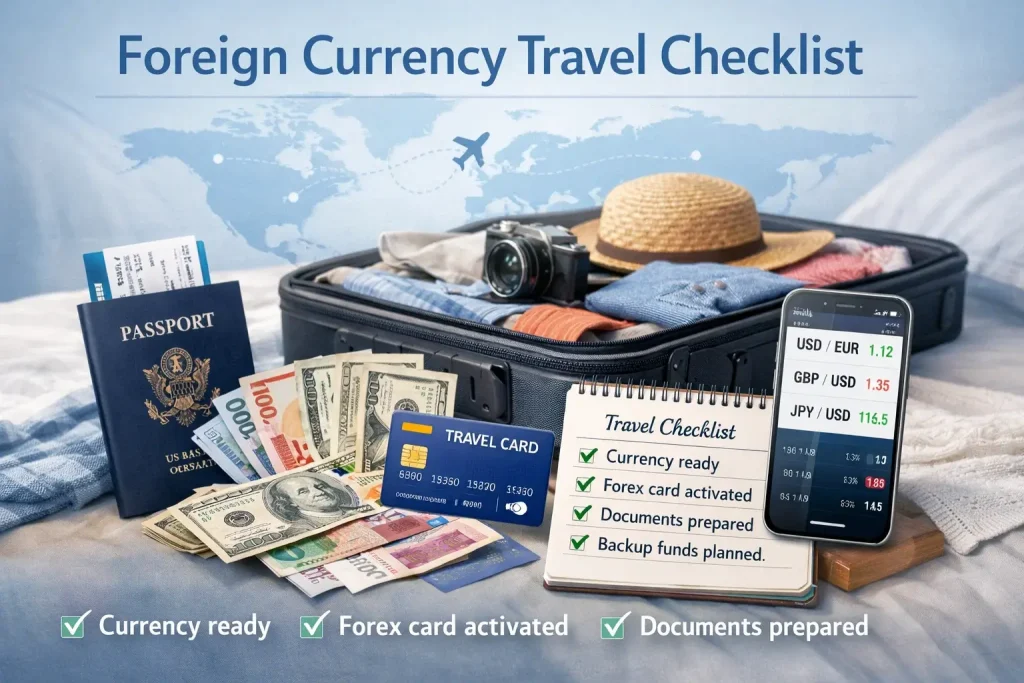
Before you fly, make sure you have:
- Estimated your daily expenses
- Chosen the right mix of cash and cards
- Checked exchange rates in advance
- Purchased currency from an authorized provider
- Kept all required documents ready
- Activated international card usage
- Carried small denominations
- Planned emergency backup funds
- Understood currency limits and rules
- Double-checked everything before departure
Following this checklist can help you travel with confidence and avoid unnecessary stress.
Conclusion
Foreign currency planning is a crucial part of international travel that should never be overlooked. While it may seem like a small detail compared to flights and accommodation, it plays a major role in ensuring a smooth and comfortable travel experience.
By planning your forex in advance, choosing the right mix of payment options, and staying informed about exchange rates and regulations, you can avoid last-minute stress and unnecessary expenses.
A well-prepared traveler is not just someone who packs efficiently but also manages their finances wisely. Taking the time to follow a proper forex checklist ensures that you are ready for your journey from the moment you land in a new country.
With the right preparation, your travel experience becomes more enjoyable, organized, and financially efficient.
FAQs
1. How much foreign currency should I carry for my trip?
It depends on your destination, duration, and spending habits. Estimating daily expenses helps determine the right amount.
2. Is it better to carry cash or use a forex card?
A combination of both is recommended for flexibility and safety.
3. When should I buy foreign currency before travel?
It’s best to monitor exchange rates and purchase currency a few days or weeks before travel.
4. Do I need to inform my bank before using my card abroad?
Yes, informing your bank helps avoid card blocks due to unusual international transactions.
5. Can I use Indian Rupees in other countries?
INR is generally not accepted abroad, so you need local currency or international payment options.
6. What documents are required to buy foreign currency?
Typically, you need a passport, travel tickets, and sometimes a visa.
7. Are forex travel cards safe?
Yes, they are considered secure and convenient for international payments.
8. Should I carry small currency notes?
Yes, small denominations are useful for everyday expenses.
9. What is the safest way to carry money while traveling?
Using a mix of cash, forex cards, and international cards is considered safe.
10. Can I buy foreign currency online?
Yes, many authorized forex providers offer online services with delivery options.