

Introduction
International travel involves much more than booking flights and packing bags. One of the most important but often overlooked aspects is understanding the legal rules around carrying foreign currency. Many Indian travellers are unsure about how much foreign exchange they are allowed to carry, what forms of currency are permitted, and what the Reserve Bank of India actually allows under its guidelines.
Confusion around forex rules can lead to unnecessary stress during travel planning. Some people worry they might carry too little currency and struggle abroad. Others worry about carrying too much and violating regulations. In reality, India has clear and structured guidelines that allow travellers to carry sufficient foreign exchange for their trips, provided the exchange is done through authorized channels and within permitted limits.
These rules are designed to make international travel smooth while ensuring transparency and regulatory compliance. Understanding them helps travellers plan their finances confidently, avoid last-minute complications, and ensure they remain fully compliant with Indian foreign exchange laws.
This guide explains the legal forex rules Indian travellers should know before leaving the country, how much currency can be carried abroad, and how to plan foreign exchange safely and responsibly.
The Legal Framework Behind Forex Rules in India
Foreign exchange in India is regulated under the Foreign Exchange Management Act (FEMA). The Reserve Bank of India, along with authorized dealers such as banks and licensed money changers, oversees the implementation of these rules.
FEMA was designed to simplify foreign exchange transactions while maintaining transparency in international payments and currency movements. Under these regulations, individuals can purchase foreign currency for legitimate purposes such as travel, education, business visits, medical treatment, or personal visits abroad.
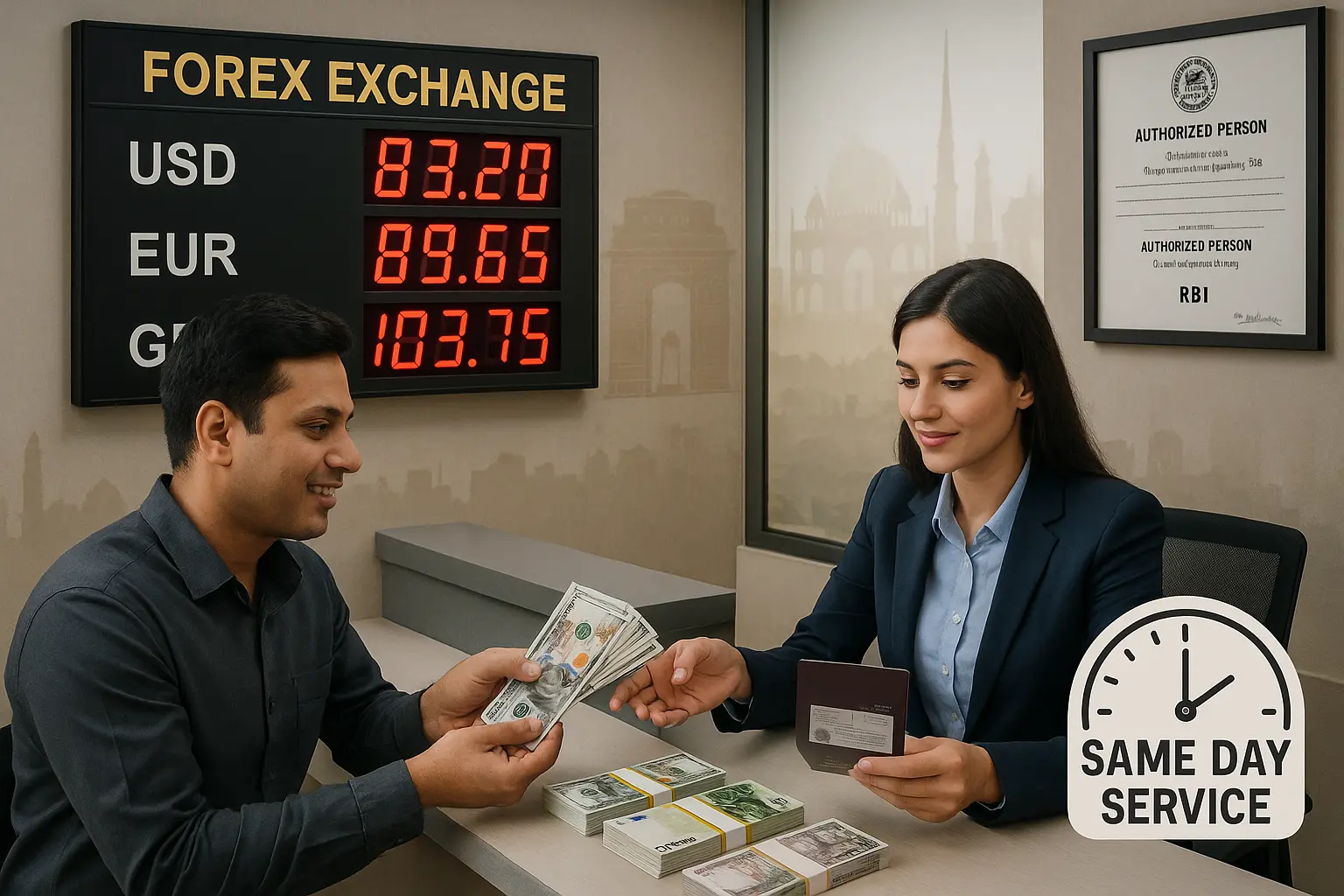
The most important concept travellers should understand is that foreign currency should always be obtained through authorized dealers. These include banks and licensed forex providers who follow RBI-aligned processes and documentation requirements.
Obtaining foreign currency through authorized sources ensures that your transaction is recorded, compliant, and legally valid. Structured providers in the forex market — including companies like Princess Forex — follow verification and documentation processes that help travellers exchange currency safely before international trips.
How Much Foreign Exchange Can Indians Carry Abroad?
India allows residents to carry foreign exchange under the Liberalised Remittance Scheme (LRS).
Under the current LRS guidelines, an Indian resident can remit or carry foreign exchange up to USD 250,000 per financial year for permissible purposes. This limit includes travel, education, gifts, investments, and other approved international expenses.
For most travellers, this limit is far higher than what is needed for a vacation or short-term trip. Typical leisure travellers exchange only a fraction of this amount depending on destination, duration, and personal spending plans.
The purpose of the limit is to regulate large capital transfers rather than restrict normal travel spending. As long as foreign exchange is purchased through authorized channels and used for legitimate travel purposes, travellers can comfortably carry sufficient funds for their journeys.
Limits on Carrying Cash Currency
While the overall foreign exchange limit is generous, there are specific guidelines regarding how much physical currency can be carried.
Travellers are generally allowed to carry foreign currency notes for travel expenses, but extremely large amounts of physical cash are discouraged due to safety and regulatory considerations. Instead, travellers are encouraged to use a combination of currency notes, forex cards, and international debit or credit cards.
Carrying some physical cash is practical because small expenses abroad — taxis, cafés, local markets, or tips — may require immediate payment. However, relying entirely on cash is not recommended from a security perspective.
Balanced planning ensures both convenience and safety during travel.
Documentation Required for Forex Exchange
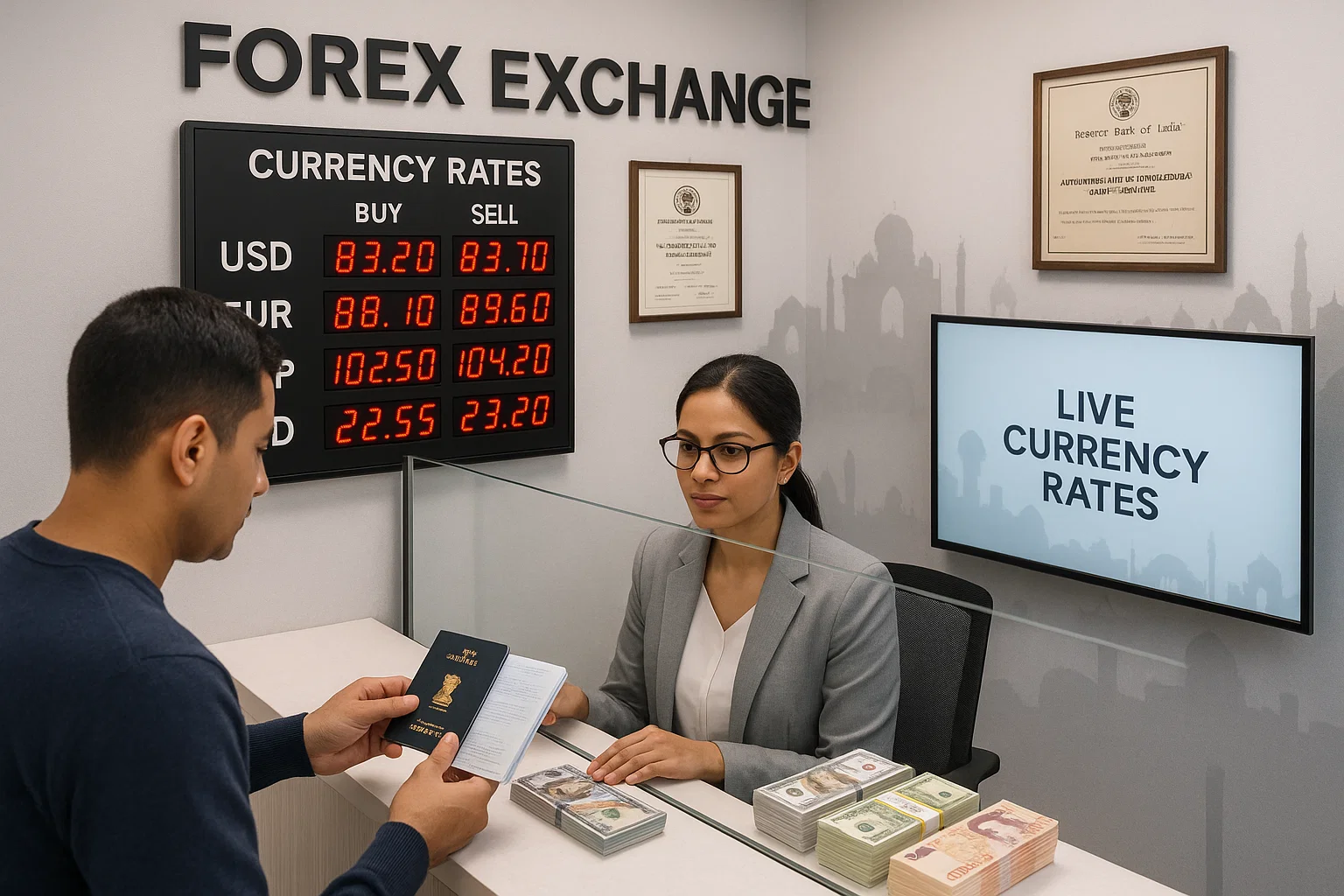
Foreign exchange transactions require proper verification under RBI guidelines. When purchasing foreign currency, travellers usually need to provide basic documents such as a valid passport, PAN card, and travel proof.
These documents confirm that the foreign exchange purchase is linked to a legitimate travel purpose and falls within permitted limits. The process may feel procedural, but it protects both the customer and the financial system from misuse.
Authorized forex providers follow these compliance procedures carefully. Structured services — including those offered by licensed providers such as Princess Forex — help travellers complete documentation quickly so they can focus on preparing for their journey.
Compliance is not an obstacle; it is a safeguard.
Why Authorized Forex Providers Matter
One of the most important forex rules travellers should remember is to always exchange currency through authorized dealers.
Unauthorized exchange sources may appear convenient, but they can expose travellers to several risks. Currency authenticity may be uncertain, transactions may not be recorded properly, and travellers may face issues during customs declarations if documentation is missing.
Authorized providers ensure that:
Transactions follow RBI guidelines
Currency notes are verified and genuine
Proper invoices are issued
Exchange limits are respected
This structured approach protects travellers legally and financially.
Declaring Currency at Airports
Indian customs regulations require travellers to declare foreign currency beyond certain thresholds. If a traveller carries a very large amount of foreign currency notes, they may need to complete a declaration at customs.
These declarations are routine compliance measures designed to ensure transparency in international currency movement. Most leisure travellers carrying reasonable amounts of forex for personal expenses rarely encounter complications.
Still, understanding the process beforehand ensures confidence at immigration and customs checkpoints.
How Much Foreign Currency Should Travellers Actually Carry?
Although Indian regulations allow large foreign exchange limits under the Liberalised Remittance Scheme, most travellers do not need to carry excessive cash while travelling abroad. The real challenge is not the legal limit but determining how much currency is practical.
For leisure travellers, foreign currency is usually required for smaller day-to-day expenses such as taxis, local transport, cafés, small restaurants, entry tickets, and tips. Larger payments such as hotel bookings, shopping, and online reservations are often handled through international debit or credit cards.
This means travellers rarely need to carry their entire travel budget in physical currency. Carrying a reasonable amount of cash for immediate expenses while keeping the rest accessible through cards creates a safer and more flexible financial structure during international trips.
Planning forex realistically helps reduce both financial risk and unnecessary stress.
The Advantage of Splitting Your Travel Money
One of the safest forex practices is diversifying how you carry money abroad. Instead of relying entirely on cash or entirely on cards, travellers benefit from a balanced approach.
Physical foreign currency notes provide convenience for small transactions and emergency situations. Forex cards or international debit cards help manage larger expenses while reducing the risk associated with carrying large amounts of cash.
If one payment method fails due to technical issues, security blocks, or loss, the other options remain available. This layered strategy is widely recommended by travel finance experts because it minimizes disruptions during the trip.
The goal of forex planning is not only compliance with regulations but also practical financial security.
Common Forex Mistakes Travellers Should Avoid
Even experienced travellers sometimes make simple mistakes when handling foreign currency. The most common error is waiting until the last moment to exchange currency. When forex decisions are delayed until the day of departure, travellers often end up exchanging at airports where spreads can be wider due to convenience pricing.
Another frequent mistake is carrying excessive physical currency. While having some cash is useful, carrying large amounts increases security risks and unnecessary anxiety.
Some travellers also rely completely on international cards without carrying any local currency. In certain destinations, smaller establishments or transport services may not accept card payments, which can create inconvenience.
These issues are easily avoided with early planning and balanced forex allocation.
Safety Tips for Carrying Foreign Currency
Handling foreign currency safely during international travel is just as important as obtaining it legally. Travellers should treat their forex with the same level of caution as they treat passports or travel documents.
Keeping all cash in one wallet is not advisable. Splitting currency between a primary wallet, travel pouch, and hotel safe reduces the impact of loss or theft. Avoid counting money openly in crowded public places and remain mindful while making payments.
Using hotel safes for storing excess cash is a widely recommended practice. Many travellers also keep emergency currency separately from their daily spending money.
Simple awareness can significantly improve financial safety during travel.
Understanding Currency Declaration Rules
Travellers sometimes worry about airport checks and currency declarations. In reality, these procedures are routine and designed to maintain transparency in international financial movement.
If a traveller carries foreign currency notes above certain limits, customs authorities may require declaration at entry or exit points. These declarations are not meant to create difficulty but to ensure compliance with international financial monitoring standards.
Most leisure travellers carrying reasonable travel funds will rarely face complications, especially if the currency was purchased through authorized channels with proper documentation.
Maintaining invoices from authorized forex providers helps avoid any confusion if customs officials ask questions.
Why Early Forex Planning Reduces Travel Stress
Forex exchange should ideally be one of the earlier tasks in travel preparation rather than the final step before departure. Planning currency exchange a week or two before travel allows travellers to monitor exchange rates calmly and avoid urgency-driven decisions.
When travellers rush to exchange currency on the day of departure, they often lose the opportunity to compare rates or consider alternatives. Early planning gives time to evaluate options, complete documentation comfortably, and receive currency without time pressure.
Structured forex providers who follow transparent processes — including companies like Princess Forex — allow travellers to review rates and complete transactions in advance. This organized approach removes uncertainty and ensures travellers begin their journeys with financial clarity.
Preparation transforms forex exchange from a stressful chore into a predictable part of travel planning.
How Forex Planning Improves Overall Travel Budgeting
Currency exchange rates directly affect travel costs, especially for longer trips or destinations with higher living expenses. A difference of even one rupee per unit can influence total travel spending when exchanging larger amounts.
Planning forex early allows travellers to align currency conversion with their overall travel budget. Instead of reacting to sudden rate changes or rushing decisions, travellers can exchange within comfortable ranges that match their financial plans.
This approach shifts the focus from chasing the lowest possible rate to achieving stability and predictability.
Smart forex planning supports smarter travel budgeting.
Final Thoughts: Travel Confidently Within the Rules
India’s foreign exchange rules are designed to support international travel while ensuring regulatory transparency. The Liberalised Remittance Scheme allows Indian residents to carry significant foreign exchange for legitimate travel purposes, making it easier for travellers to manage expenses abroad.
Understanding these rules helps eliminate confusion and builds confidence during travel planning. When foreign currency is purchased through authorized providers, documented properly, and carried in practical amounts, travellers can focus on their experiences rather than worrying about compliance.
The key is balance. Carry enough currency for convenience, diversify payment methods, follow documentation guidelines, and plan forex exchange in advance.
When these steps are followed, foreign exchange becomes one of the easiest parts of international travel.
And when your finances are well planned, your journey begins with confidence instead of uncertainty.