

Introduction
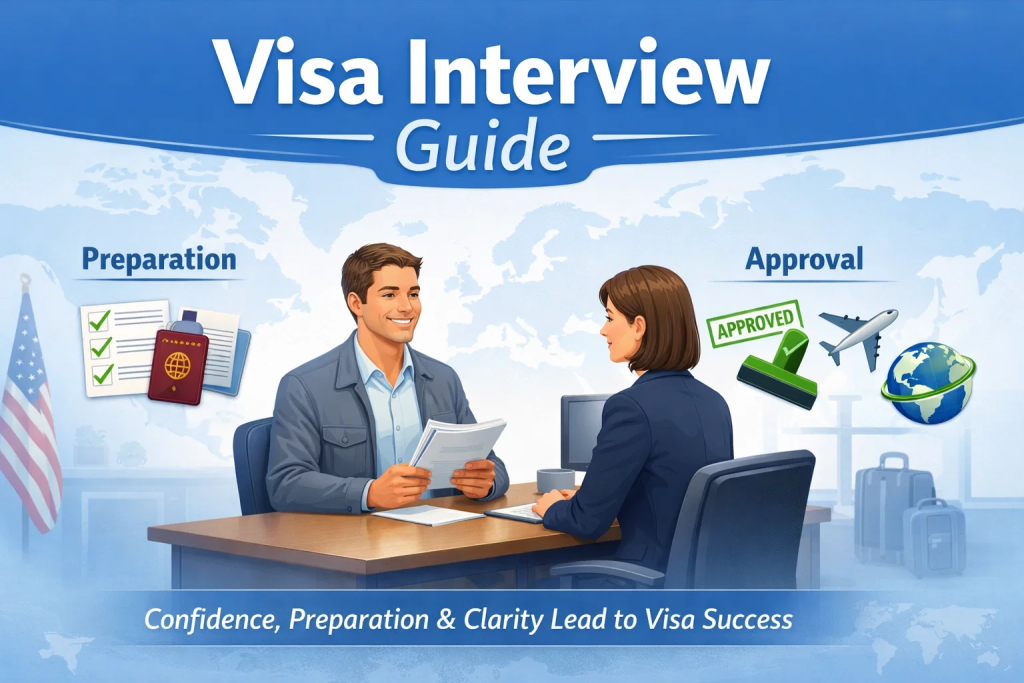
Preparing for a visa interview can feel overwhelming, especially if it’s your first time applying for an international trip, study program, or work opportunity. For many applicants, the interview stage is the most crucial step in the visa process, as it directly determines whether your application will be approved or rejected.
While documentation, forms, and financial proof are important, the visa interview is where your intent, clarity, and confidence are evaluated. It’s not just about answering questions correctly—it’s about presenting your purpose of travel clearly and honestly.
The good news is that visa interviews are not designed to confuse or trick you. They are structured conversations where the officer verifies your information and assesses whether your travel intentions align with the visa category you are applying for.
With the right preparation, understanding, and mindset, you can approach your visa interview with confidence and significantly improve your chances of success.
In this guide, we’ll walk you through everything you need to know—from preparation to common questions—so you can handle your visa interview smoothly.
Why the Visa Interview Matters
The visa interview is not just a formality—it is a critical checkpoint in the application process.
During the interview, the visa officer evaluates three key aspects:
- Purpose of travel
- Financial stability
- Intent to return to your home country
Even if your documents are perfect, a lack of clarity or confidence during the interview can create doubts.
The officer needs to be assured that your travel plans are genuine and that you meet the requirements of the visa category.
Understanding the importance of this stage helps you take your preparation seriously and approach it with the right mindset.
Understanding the Objective of the Visa Officer
Before preparing answers, it’s important to understand what the visa officer is actually looking for.
The officer is not trying to test your English skills or general knowledge. Instead, they are assessing whether your application is consistent, genuine, and well-supported.
They focus on:
- Whether your answers match your documents
- Whether your travel purpose is clear
- Whether you have strong ties to your home country
For example, a student applying for a study visa should clearly explain their course, university, and future plans. Similarly, a tourist should be able to describe their travel itinerary.
When you understand the officer’s perspective, it becomes easier to prepare relevant and confident responses.
Step 1: Know Your Application Inside Out
One of the most important steps in visa interview preparation is knowing your application thoroughly.
Everything you say during the interview should align with the details you have submitted in your visa application.
This includes:
- Your travel purpose
- Your destination and duration
- Your financial details
- Your background and plans
Many applicants make the mistake of filling out forms and then not reviewing them before the interview.
Take time to go through your application carefully and ensure that you can confidently explain every detail.
This helps you avoid confusion and ensures consistency in your answers.
Step 2: Prepare Your Documents Properly
While the interview focuses on your responses, your documents play a supporting role.
Organizing your documents properly shows preparedness and professionalism.
Keep essential documents ready, such as:
- Passport
- Visa application confirmation
- Financial proof
- Travel or admission documents
Even if the officer does not ask for all documents, being prepared gives you confidence during the interview.
It also ensures that you can quickly provide any required information if requested.
Step 3: Be Clear About Your Travel Purpose
Clarity is one of the most important factors in a successful visa interview.
You should be able to clearly explain:
- Why you are traveling
- What you plan to do
- How long you will stay
Avoid vague or unclear answers. For example, instead of saying “I just want to travel,” explain your itinerary or purpose in detail.
A clear and structured answer builds trust and reduces the chances of follow-up questions.
Step 4: Demonstrate Financial Preparedness
Financial stability is a key aspect of visa approval.
You should be able to confidently explain how your trip will be funded.
This includes:
- Source of funds
- Estimated expenses
- Supporting financial documents
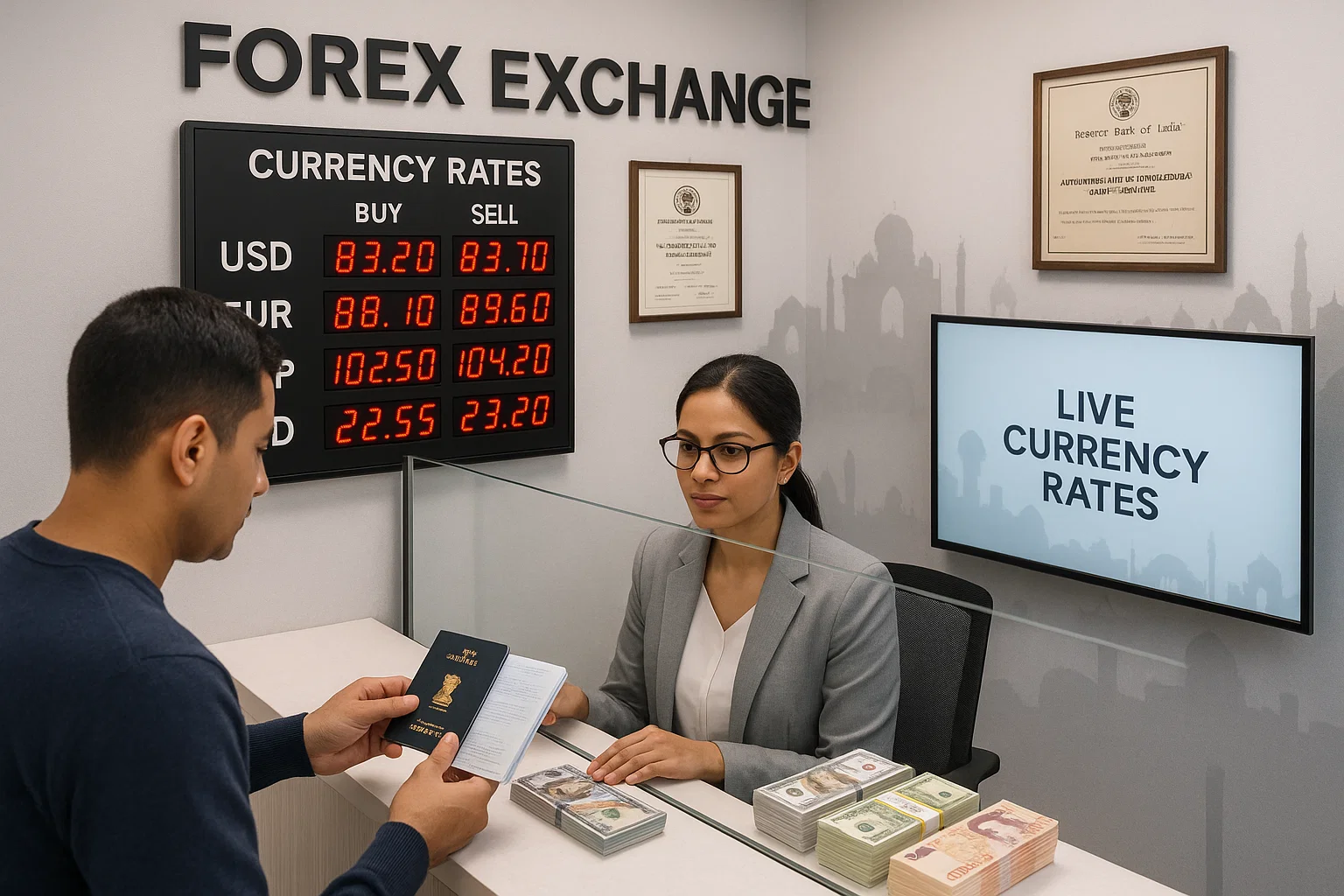
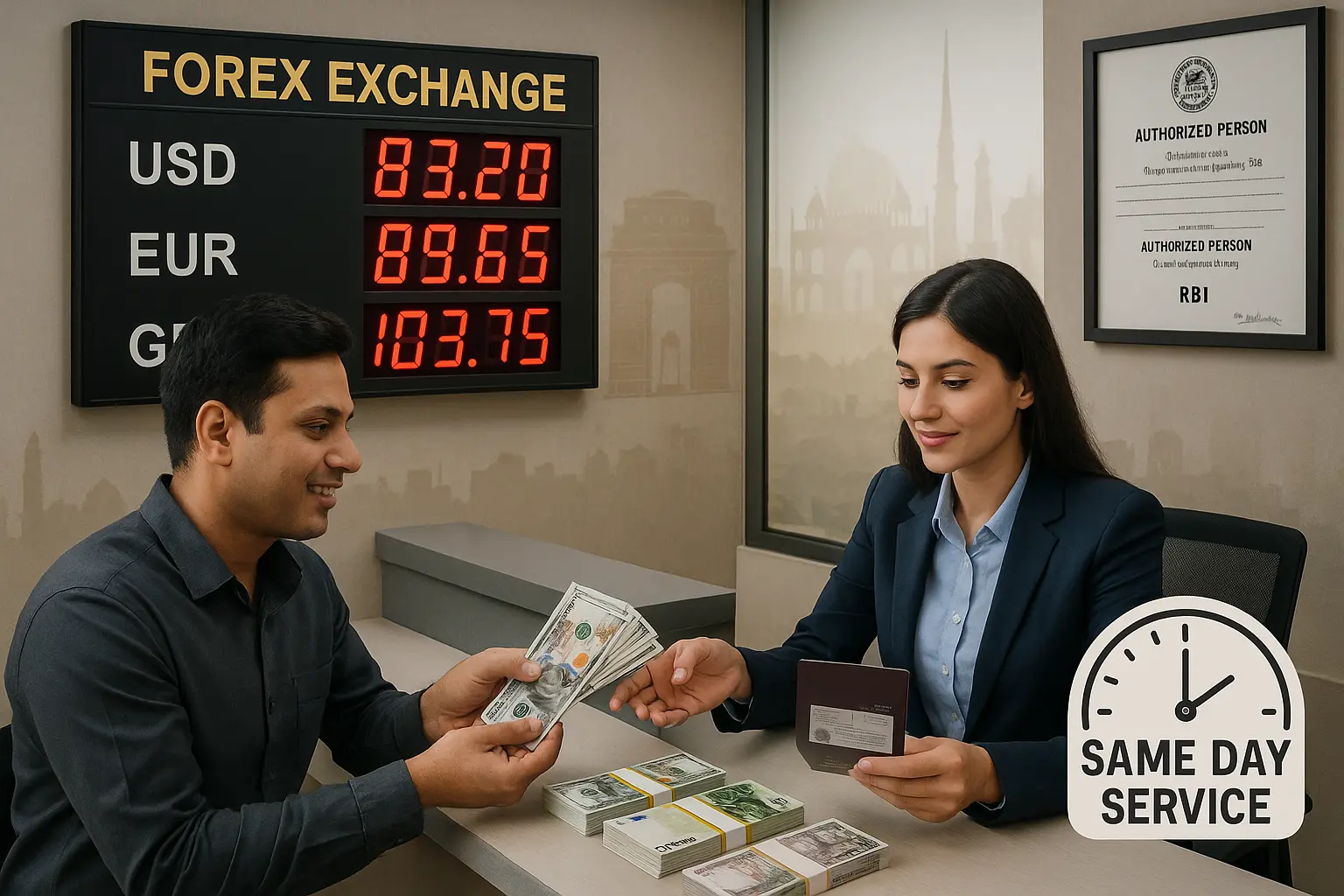
For students and travelers, planning your finances—including forex—plays an important role. Being aware of your expenses and currency needs shows preparedness.
Working with reliable providers like Princess Forex can also help ensure that your financial planning is smooth and well-organized before your travel.
Common Visa Interview Questions You Should Prepare For
Visa interviews usually follow a structured pattern, and while questions may vary depending on the country and visa type, some common themes remain consistent.
One of the most frequently asked questions is about your purpose of travel. The officer may ask why you are visiting the country, what you plan to do there, and how long you intend to stay.
Another common area is your background. This includes your education, current job, or business. The officer may want to understand your current situation and how it connects to your travel plans.
Financial questions are also important. You may be asked how you are funding your trip, whether you have sufficient resources, and if someone else is sponsoring you.
In some cases, the officer may ask about your ties to your home country, such as family, job, or future plans. This helps them assess whether you are likely to return after your visit.
Preparing for these types of questions in advance helps you respond confidently and avoid hesitation.
How to Answer Visa Interview Questions Effectively
Answering visa interview questions is not about giving long or complicated responses. In fact, the best answers are clear, honest, and to the point.
Start by understanding your own situation clearly. If you know your purpose, plans, and financial details, your answers will naturally sound confident.
Avoid memorizing answers word-for-word. This can make your responses sound robotic or unnatural. Instead, focus on understanding what you want to say.
For example, if you are asked about your travel purpose, give a simple and direct explanation that aligns with your application.
Honesty is extremely important. Any inconsistency between your answers and documents can raise doubts.
Speaking naturally and confidently creates a positive impression and helps build trust during the interview.
Importance of Body Language and Communication
Your communication is not just about what you say—it’s also about how you present yourself.
Body language plays a key role in creating a good impression during the visa interview.
Maintaining eye contact, sitting upright, and speaking clearly can show confidence and sincerity.
Avoid nervous habits such as fidgeting, looking away frequently, or speaking too fast.
Your tone should be calm and respectful. Even if you feel nervous, taking a moment to think before answering can help you respond more clearly.
Simple communication skills can make a significant difference in how your answers are perceived.
Handling Nervousness During the Interview
Feeling nervous before a visa interview is completely normal, especially if it’s your first time.
The key is not to eliminate nervousness completely, but to manage it effectively.
Preparation is the best way to reduce anxiety. When you know your application and possible questions, you feel more in control.
Practicing your answers with a friend or in front of a mirror can also help build confidence.
On the day of the interview, arrive early and give yourself time to settle down. Take a few deep breaths before your turn.
Remember that the interview is simply a conversation—not a test.
Keeping this mindset helps you stay calm and focused.
What Visa Officers Look for Beyond Answers
While your answers are important, visa officers also look at the overall impression you create.
They observe:
- Your confidence level
- Your consistency
- Your clarity of purpose
- Your attitude
Even small details, such as how you respond under pressure or how clearly you explain your plans, can influence their decision.
For example, if your answers are consistent with your documents and you present your case confidently, it strengthens your application.
Understanding this helps you focus not just on answers, but on your overall presentation.
Common Mistakes That Can Lead to Visa Rejection
Even well-prepared applicants sometimes face rejection due to small but critical mistakes.
One of the most common issues is inconsistent answers. If what you say during the interview does not match your application or documents, it can raise doubts immediately.
Another frequent mistake is lack of clarity. Vague responses about your travel purpose, plans, or finances can make the officer unsure about your intentions.
Some applicants also tend to over-explain or give unnecessary details, which can confuse the conversation instead of making it clearer.
There is also a tendency to rely too much on memorized answers. This can make your responses sound unnatural and reduce credibility.
Lastly, appearing overconfident or defensive can negatively impact your impression. The interview is meant to be a professional and respectful interaction.
Avoiding these mistakes can significantly improve your chances of success.
Things You Should Never Do in a Visa Interview
Understanding what not to do is just as important as knowing what to do.
You should never provide false information or misleading answers. Even small discrepancies can lead to rejection.
Avoid interrupting the visa officer or trying to rush through answers. Listening carefully and responding appropriately shows respect and confidence.
Do not argue or challenge the officer, even if you feel a question is repetitive or unnecessary.
Another important point is to avoid guessing answers. If you are unsure about something, it is better to respond honestly rather than giving incorrect information.
Maintaining a calm and composed attitude throughout the interview is essential.
Practical Do’s for a Successful Visa Interview
A few simple practices can make a big difference in your overall performance.
Be punctual and reach the interview location on time. This helps you stay relaxed and prepared.
Dress appropriately in a clean and professional manner. First impressions matter, even in short interviews.
Speak clearly and confidently, but keep your answers concise.
Carry all required documents in an organized manner so that you can access them quickly if needed.
Maintain a polite and respectful tone throughout the conversation.
These small details contribute to a positive and professional impression.
Practical Don’ts to Keep in Mind
There are also certain behaviors that you should avoid during the interview.
Avoid giving long, unnecessary explanations. Keep your answers focused and relevant.
Do not appear distracted or uninterested. Stay attentive throughout the interaction.
Avoid showing frustration or nervousness through your body language.
Do not rely entirely on rehearsed answers, as this can make your responses sound artificial.
Most importantly, do not panic if you don’t understand a question. You can politely ask the officer to repeat or clarify it.
Final Preparation Checklist Before Your Interview
Before attending your visa interview, it’s helpful to do a quick final check.
Review your application and ensure you remember all key details.
Go through your documents and keep them neatly arranged.
Practice answering common questions to build confidence.
Plan your travel to the interview location so you arrive on time.
Get proper rest before the interview so you feel fresh and focused.
Being well-prepared not only improves your performance but also boosts your confidence.
Conclusion
Preparing for a visa interview may seem challenging at first, but with the right approach, it becomes much more manageable. The key is to focus on clarity, honesty, and confidence rather than trying to memorize perfect answers.
A visa interview is not about impressing the officer with complicated responses—it’s about presenting your genuine intent in a clear and structured way. When your answers align with your documents and your purpose of travel is well-defined, it naturally builds trust.
From understanding your application to preparing your documents, practicing common questions, and maintaining the right body language, every step contributes to your overall performance.
Financial preparedness also plays an important role. Having a clear idea of your travel expenses, including foreign exchange planning through reliable providers like Princess Forex, adds to your confidence and credibility during the interview.
Ultimately, success in a visa interview comes down to preparation and mindset. When you approach it as a conversation rather than a test, you are more likely to stay calm and perform well.
With proper planning and awareness, you can turn your visa interview into a smooth and successful experience.
FAQs
1. Is the visa interview difficult?
No, it is a simple conversation if you are well-prepared and clear about your purpose.
2. What is the most important factor in a visa interview?
Clarity and honesty in your answers are the most important factors.
3. How long does a visa interview usually last?
Most visa interviews last between 2 to 10 minutes.
4. Can I memorize answers for the interview?
It is better to understand your answers rather than memorize them.
5. What documents should I carry for the interview?
Carry your passport, application confirmation, financial proof, and supporting documents.
6. What should I wear to a visa interview?
Wear clean and professional attire that gives a good first impression.
7. What if I don’t understand a question?
You can politely ask the officer to repeat or clarify the question.
8. Can nervousness affect my interview?
Yes, but proper preparation can help you manage it effectively.
9. Do visa officers check all documents?
Not always, but you should keep all documents ready.
10. What happens if my visa is rejected?
You can reapply after addressing the reasons for rejection.